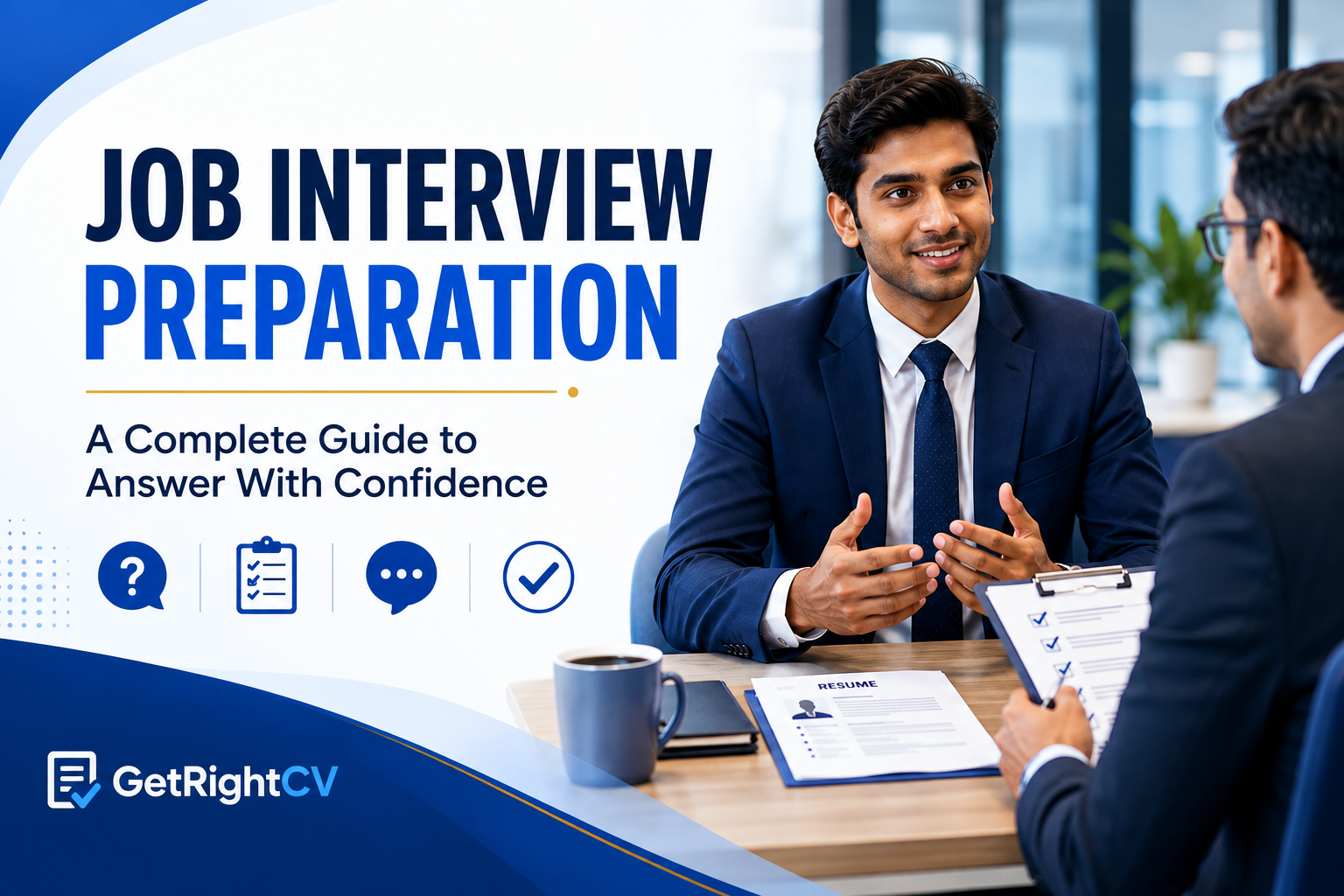
Preparing for a job interview can feel challenging, especially when you are unsure what the interviewer may ask or how to present your experience confidently. However, good interview performance is rarely about memorizing perfect answers. It is about understanding the role, knowing your strengths, and communicating your value clearly.
A well-prepared candidate is usually more confident, more structured in their responses, and better able to connect their skills and experience with the employer’s requirements. With the right preparation, you can reduce nervousness and make a stronger impression throughout the interview.
In this guide, you will learn practical job interview preparation strategies, common interview question techniques, body language tips, and follow-up practices that can help you perform more effectively and improve your chances of success.
Research the Company and Role
Before the interview, spend time understanding the company, its products or services, industry, recent developments, and work culture. This research helps you answer questions more confidently and shows the interviewer that you are genuinely interested in the opportunity.
You should also review the job description carefully and identify the main responsibilities, required skills, preferred qualifications, and keywords used by the employer.
While preparing, focus on understanding:
- The company’s main products or services
- Its industry and target customers
- The responsibilities of the role
- The skills and qualifications mentioned in the job description
- How your experience matches the employer’s requirements
The better you understand the role, the easier it becomes to connect your experience with what the employer is looking for.
Prepare for Common Interview Questions
Most interviews include a mix of general, behavioral, and role-specific questions. Preparing for common interview questions in advance can help you organize your thoughts and avoid giving rushed or unclear answers.
Some commonly asked questions include:
- Tell me about yourself.
- Why do you want to work with our company?
- What are your strengths and weaknesses?
- Why should we hire you?
- Tell me about a challenge you faced at work and how you handled it.
- Where do you see yourself in the next few years?
- Why are you looking for a new opportunity?
Do not memorize answers word for word. Instead, prepare the key points you want to communicate so your responses sound natural, relevant, and confident.
Use the STAR Method for Behavioral Questions
Behavioral interview questions often ask you to describe a real situation from your past experience. A clear structure can help you answer these questions in a way that is easy for the interviewer to understand.
One of the most effective frameworks is the STAR method:
- Situation – Briefly explain the context or challenge.
- Task – Describe what you were responsible for.
- Action – Explain the specific steps you took.
- Result – Share the outcome and, where possible, include measurable results.
Using the STAR method helps you avoid vague answers and keeps your response focused on your actions, decision-making, and results.
Practice Your Answers Out Loud
Reading interview questions silently is useful, but speaking your answers out loud is much more effective. It helps you identify unclear sentences, unnecessary details, and areas where your response may sound hesitant.
You can practice in front of a mirror, record yourself on your phone, or ask a friend to conduct a mock interview. The goal is not to sound rehearsed, but to become comfortable explaining your experience in a clear and structured way.
While practicing, pay attention to your speaking pace, tone of voice, clarity, and whether your answers directly address the question being asked.
Improve Your Body Language
Your body language can influence how confident and professional you appear during an interview. Even strong answers can lose impact if your posture, eye contact, or expressions suggest nervousness or lack of interest.
During the interview, try to maintain comfortable eye contact, sit upright, keep your hands relaxed, and avoid excessive fidgeting. A natural smile and attentive posture can also help create a positive impression.
For virtual interviews, position the camera at eye level, sit in a well-lit space, and look toward the camera while speaking so that your communication feels more direct and engaging.
Prepare Questions to Ask the Interviewer
An interview is not only an opportunity for the employer to evaluate you. It is also your chance to understand the role, team, expectations, and work environment more clearly.
Prepare a few thoughtful questions in advance so you are not caught off guard when the interviewer asks whether you have any questions.
You can ask questions such as:
- What would success look like in this role during the first few months?
- What are the biggest priorities for this position?
- How is the team currently structured?
- What are the main challenges someone in this role may face?
- What are the next steps in the hiring process?
Good questions show curiosity, preparation, and genuine interest in the opportunity.
Prepare for the Interview Day
Good preparation should continue until the day of the interview. Small details such as your appearance, timing, documents, and technical setup can influence how professional and organized you appear.
Before the interview, make sure you have everything ready, including:
- A clean and professional outfit suitable for the role
- Updated copies of your resume
- A list of important documents or certificates, if required
- The interview location, time, and contact details
- A notebook and pen for important notes
- A stable internet connection, camera, and microphone for virtual interviews
For an in-person interview, try to arrive around 10–15 minutes early. For a virtual interview, join a few minutes before the scheduled time and test your audio, camera, and internet connection in advance.
Follow Up After the Interview
Your interview does not end the moment the conversation is over. A professional follow-up can reinforce your interest in the role and leave a positive final impression.
Within 24 hours, send a short thank-you message to the interviewer. Keep it concise, professional, and specific to the discussion you had.
Your follow-up message can include:
- A brief thank-you for the interviewer’s time
- A reference to an important point discussed during the interview
- A short reminder of why you are interested in the role
- A polite statement that you look forward to hearing about the next steps
Avoid sending repeated messages too quickly. If the employer has provided a timeline, wait until that period has passed before following up again.
Final Thoughts
Successful job interviews are rarely about giving perfect answers. They are about preparation, clarity, confidence, and your ability to connect your experience with the employer’s needs.
Research the company, understand the role, practice common questions, prepare strong examples, improve your body language, and ask thoughtful questions. These steps can help you feel more prepared and communicate your value more effectively during the interview.
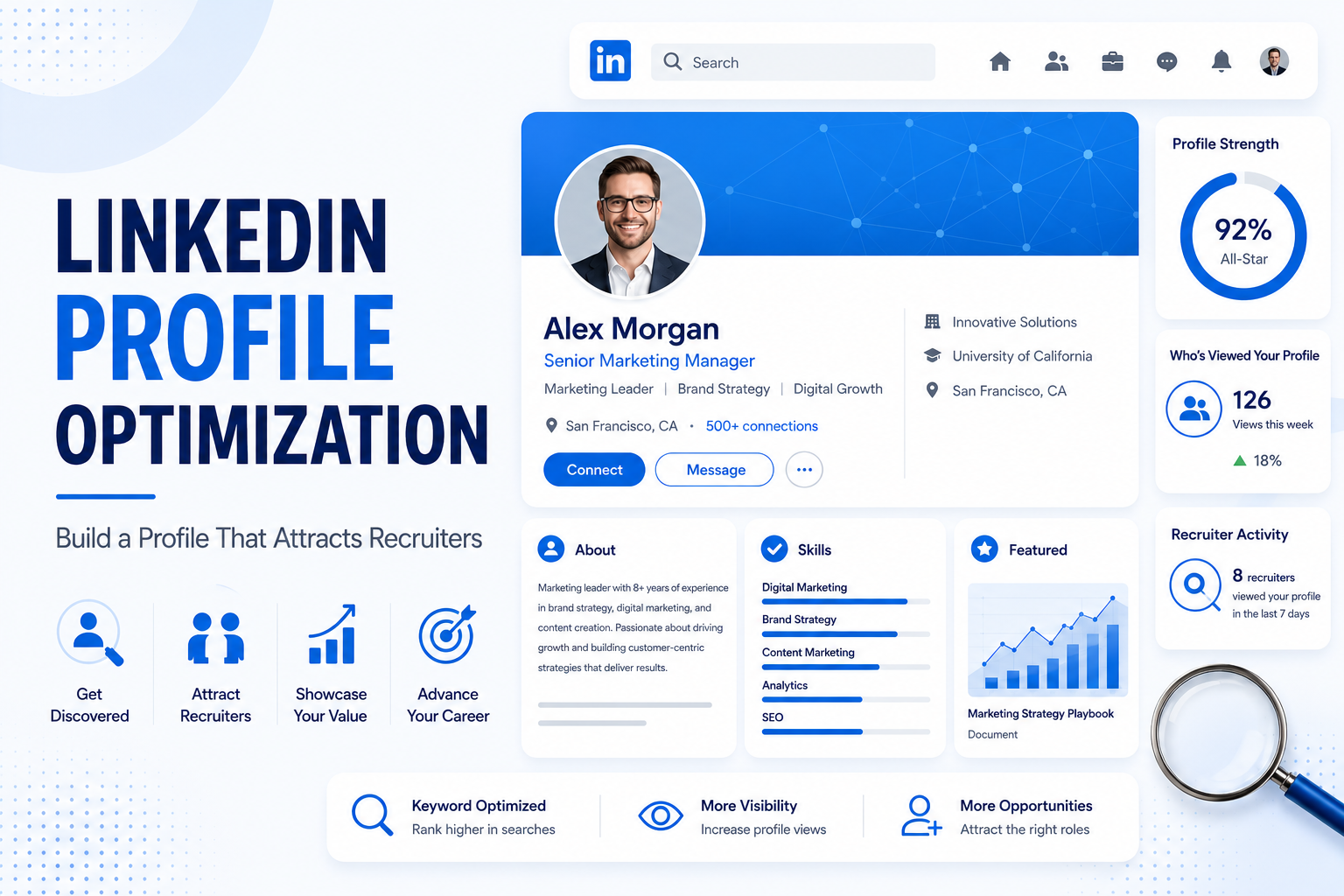
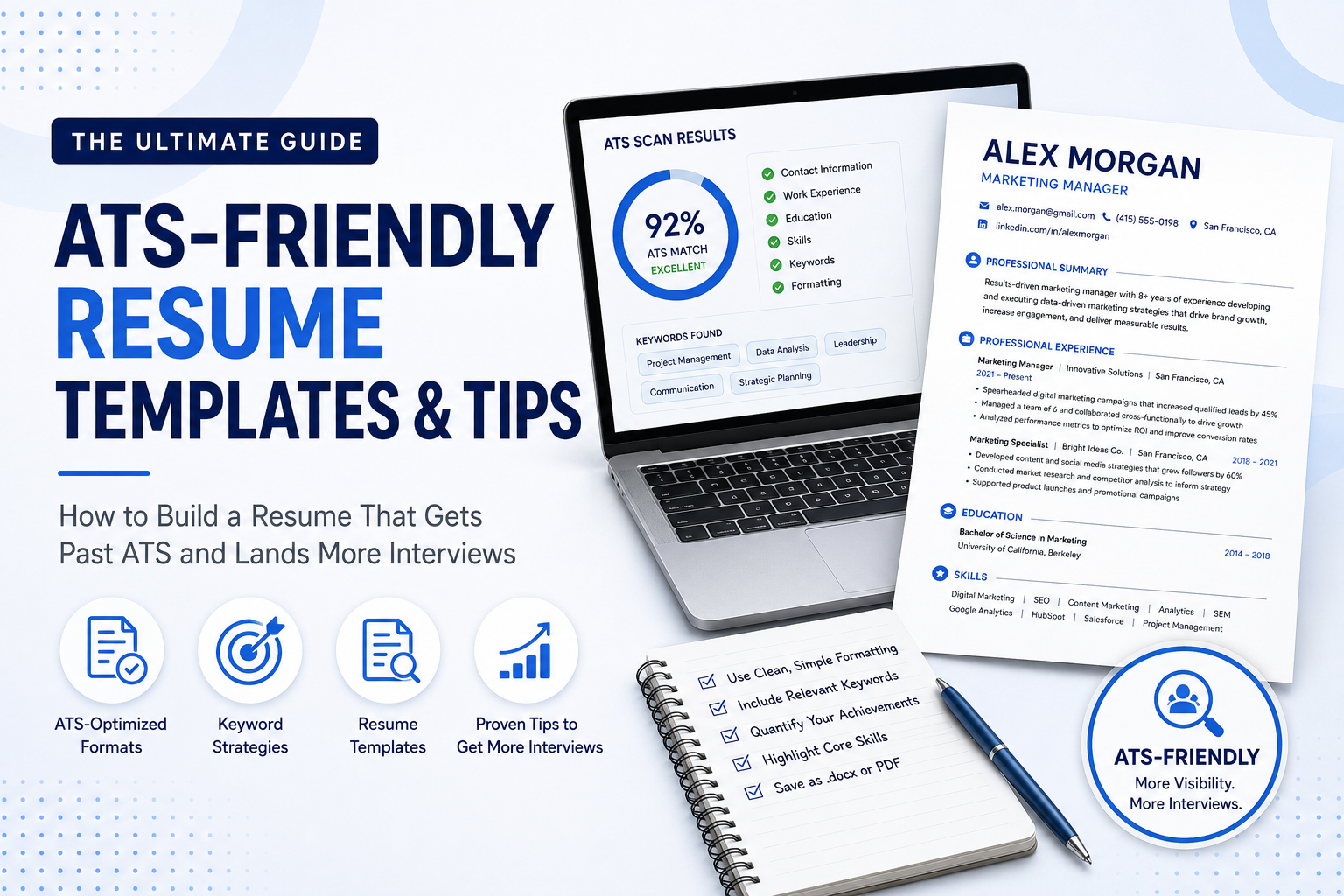
Need help preparing for your next career opportunity? GetRightCV can help you strengthen your resume, LinkedIn profile, and professional presentation so you can approach interviews with greater confidence.